
Common Crypto Horse Racing Betting Mistakes and How to Avoid Them
 Available in US
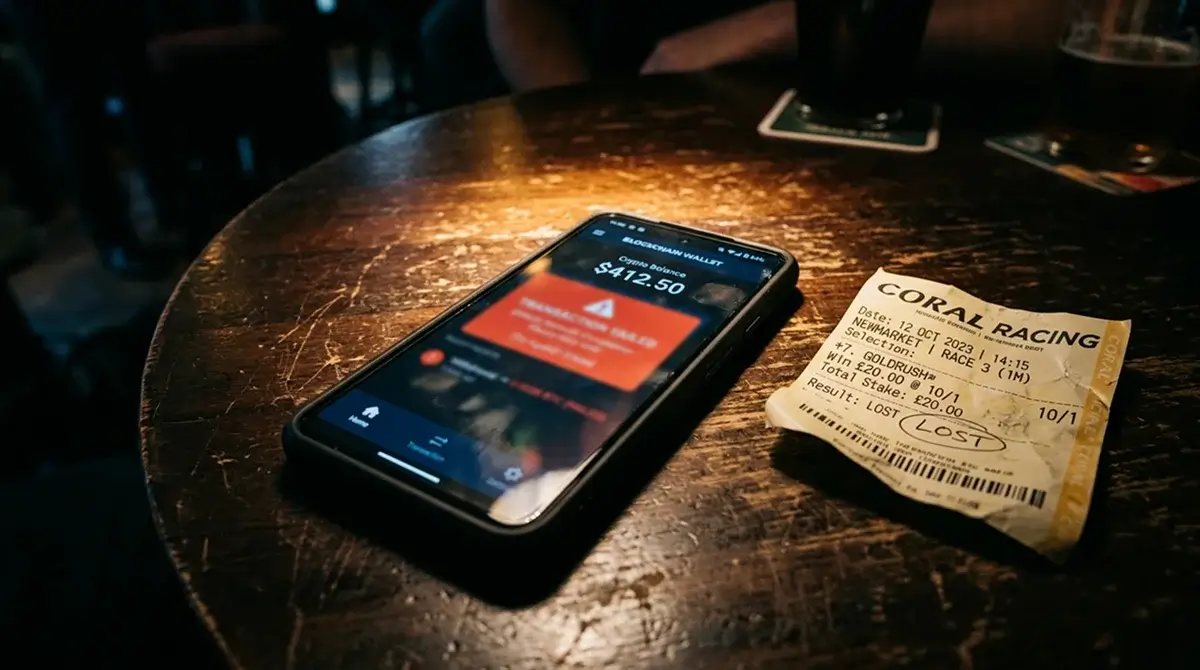
My first crypto betting deposit vanished. Not because of a scam, not because of a hack – because I sent USDT on the wrong network. The racebook expected TRC-20. I sent ERC-20. The funds landed at an address the platform could not access, and three weeks of back-and-forth with customer support recovered nothing. That was 47 USDT and a lesson I have never repeated.
USDT alone processes around $2.3 billion in monthly betting deposits across the crypto gambling sector, per SoftSwiss data from 2025. With that volume comes a predictable pattern of errors, the same mistakes repeated by thousands of bettors who are experienced punters but new to crypto mechanics. This article catalogues the ones I have either made myself or watched others make, along with the fixes that prevent each one.
Sending Crypto on the Wrong Network
This is the single most expensive mistake in crypto betting, and it happens because the same token can exist on multiple blockchains simultaneously. USDT lives on Ethereum as an ERC-20 token, on Tron as TRC-20, on BNB Chain as BEP-20, and on several other networks. Each version of USDT is technically a different asset on a different chain, even though they all represent the same dollar-pegged value.
When a racebook gives you a deposit address and specifies TRC-20, that address only exists on the Tron network. Sending ERC-20 USDT to a TRC-20 address means the tokens arrive on Ethereum at an address that may not be monitored or accessible on that chain. The funds are not destroyed, they exist on the Ethereum blockchain, but the platform cannot credit them because they never arrived on the expected network. Recovery depends entirely on whether the platform controls the private key for that address on the alternative chain, and many do not.
The fix is mechanical: before every deposit, verify the network. Read the deposit page. Match the network in your wallet to the network specified by the racebook. If you are sending from an exchange, select the correct network in the withdrawal interface, exchanges default to the cheapest option, which may not match what the racebook expects. An extra ten seconds of checking saves the full deposit amount.
Ignoring Network Fees on Small Stakes
A bettor who deposits 0.001 BTC for a casual Saturday afternoon of racing might not notice the $8 network fee on a busy day. But that fee on a deposit worth roughly $70 represents over 11% of the stake, an invisible tax that erodes profitability before a single bet is placed. Withdrawing the winnings incurs another fee, and if the bettor deposits and withdraws multiple times per week, the cumulative fee drag can exceed any edge gained from good selections.
The economics are straightforward. Bitcoin network fees fluctuate with demand for block space and can range from under $1 to over $15 on congested days. Ethereum gas fees follow a similar pattern. For bettors who stake less than $200 per session, these fees represent a meaningful percentage of the bankroll. The solution is either to use low-fee networks – TRC-20 for USDT, Litecoin where accepted, or Layer 2 options like Arbitrum – or to batch deposits into larger, less frequent transactions that dilute the fee across a bigger base.
I keep a simple rule: if the network fee exceeds 2% of my intended deposit, I wait for a cheaper window or switch to a lower-fee network. Weekend mornings and late evenings UK time consistently offer lower Bitcoin and Ethereum fees, because American market activity drops and DeFi usage decreases.
Treating Crypto Racebooks Like Licensed UK Bookmakers
This mistake is less about a single transaction and more about a fundamental misunderstanding of the operating environment. A bettor who has spent years with UKGC-licensed bookmakers carries expectations, fund segregation, dispute resolution, GamStop compliance, regulatory oversight, that do not transfer to most crypto racebooks. The crypto casino sector processed at least $81 billion in wagers during 2025, per MEXC News reporting, but the vast majority of that volume flows through platforms operating under offshore licences with consumer protections that are thin by UK standards.
I have seen bettors deposit significant amounts to crypto racebooks on day one, treating them with the same trust they extend to a bookmaker regulated by the Gambling Commission. The platform might be perfectly legitimate, but the absence of a regulatory backstop means the risk profile is fundamentally different. If the platform refuses to pay a winning bet, your recourse is a customer support ticket and public complaints – not an ombudsman, not an adjudication service, not a regulator with enforcement powers.
The practical approach is to treat every new crypto racebook as untested until your own experience proves otherwise. Start with small deposits. Test the withdrawal process before committing larger amounts. Read the terms of service, particularly the clauses about bet voiding, maximum payouts, and account closure. If the platform delays a test withdrawal or imposes unexpected conditions, that tells you everything you need to know before you scale up.
Failing to Separate Betting Funds From Trading Funds
Crypto bettors often hold their betting bankroll in the same wallet as their investment portfolio. This creates two problems. First, it blurs the line between betting performance and market performance. A bettor whose wallet shows a 20% gain over three months might attribute that to good selections when the reality is that Bitcoin rose 25% and their betting actually lost money in BTC terms. Without separate accounting, you cannot measure what matters.
Second, mixing funds creates temptation during losing streaks. If your betting bankroll sits alongside a larger investment balance, the psychological barrier to topping up after a bad day is reduced to a simple internal transfer. Dedicated betting wallets – separate addresses funded with a fixed amount at the start of each period – create a physical boundary that forces deliberate decisions about whether to add more capital.
My setup uses three wallets: a long-term hold wallet that never touches a betting platform, a betting float wallet that holds my current racing bankroll in USDT, and a transit wallet that handles deposits to and withdrawals from racebooks. The transit wallet provides an extra layer of separation, racebooks only ever see one address, and my main holdings are never exposed to a third-party platform.
Chasing Losses Without Friction
In fiat betting, the banking system creates involuntary pauses. A deposit takes time. A card might be declined. A withdrawal takes days to process. These delays are frustrating when you are winning, but they serve a protective function when you are losing – they give you time to reconsider before throwing more money at a bad day.
Crypto removes every one of those barriers. A USDT deposit on TRC-20 confirms in under a minute. There is no bank to flag the transaction, no card provider to question the amount, no cooling-off period enforced by a third party. For a bettor on tilt after three losing favourites, the path from frustration to reloading the account is thirty seconds. And then thirty seconds again after the next loss.
The only effective countermeasure is self-imposed structure. Pre-set daily loss limits, session deposit caps, and a rule against depositing more than once per day are the minimum. Some bettors use time-locked wallets or ask a trusted person to hold the seed phrase to their reserve funds. These measures feel excessive on a calm Wednesday, they pay for themselves on a frustrating Saturday afternoon at Ascot when the urge to chase is strongest.
The broader pattern behind all these mistakes is the same: crypto moves faster than most bettors’ decision-making processes. The technology enables instant action, but good betting requires deliberation. Building disciplined bankroll habits before your first deposit is cheaper than learning through costly errors after it.
What happens if I send crypto to a betting site on the wrong network?
The funds arrive on the incorrect blockchain at an address the platform may not control on that network. Recovery depends on whether the racebook holds the private key for the deposit address on the alternative chain. Some platforms can recover cross-network deposits after a lengthy support process, but many cannot. Always verify the correct network before confirming a deposit – this single check prevents the most common and most expensive crypto betting error.
How can I avoid overpaying network fees on crypto horse racing deposits?
Use low-fee networks like TRC-20 for USDT or Litecoin where the racebook accepts them. Time your deposits for off-peak hours – weekend mornings and late evenings UK time typically offer lower Bitcoin and Ethereum fees. Batch your deposits into larger, less frequent transactions rather than sending small amounts repeatedly, so the fixed fee cost represents a smaller percentage of each deposit.
Should I keep my crypto betting funds in a separate wallet?
Yes. A dedicated betting wallet separates your racing bankroll from investment holdings, making it easier to track genuine betting performance and harder to impulsively top up after losses. Use a transit wallet between your personal wallet and racebook accounts so that platforms never see your main holdings address.
Find the best options for horse racing crypto betting.
Read our detailed review of Crypto Horse Racing Betting Security: Protecting Your Funds.
Written by the editors at Horse Racing Crypto Betting.