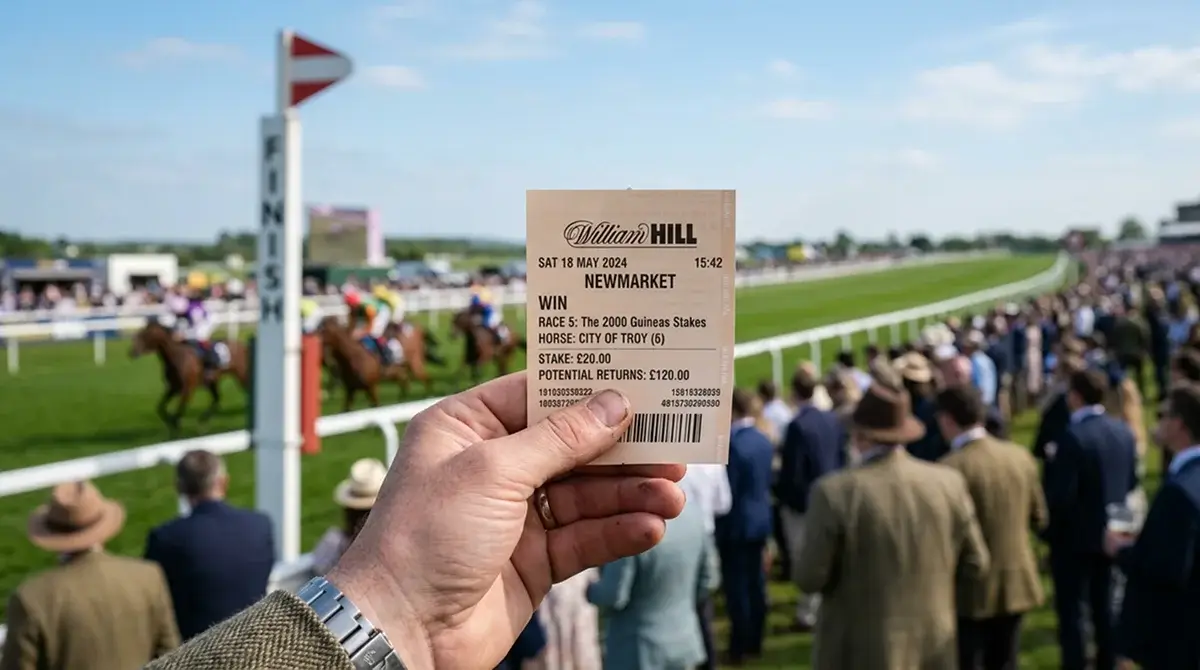
NFT Racehorse Ownership: Tokenised Horses and Earning Potential
 Available in US
The blockchain gaming market reached $279.10 billion in 2026 and is projected to grow to $1.35 trillion by 2034, according to Fortune Business Insights. Within that expansion sits a niche that most crypto bettors have not yet encountered: fractional ownership of real, breathing racehorses through blockchain tokens. Not virtual horses running algorithmically generated races – actual thoroughbreds trained at licensed yards, entered into real meetings, and competing for prize money that flows back to token holders.
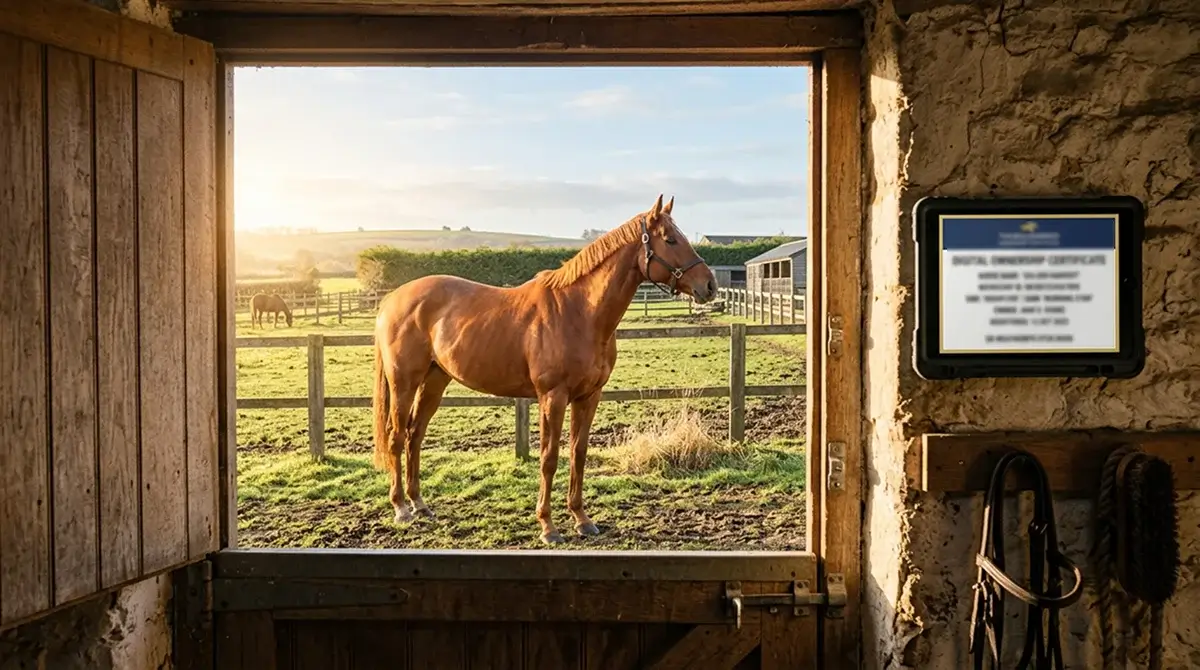
I first came across tokenised racehorse ownership in late 2024 when a colleague mentioned a platform selling fractional stakes in a two-year-old filly trained in Newmarket. The minimum buy-in was under $500. That stopped me, traditional syndicate shares in a UK-trained horse typically start around £3,000 and can run into five figures. The blockchain was doing something genuinely new here, and I have been tracking the space closely since.
Platforms Tokenising Real Racehorses
Three platforms dominate the current landscape, each operating under different jurisdictions and ownership models. Understanding their differences matters because the regulatory framework around tokenised horse ownership is still being written, and the protections you receive vary dramatically depending on which platform you choose.
Maxima operates from Dubai under VARA, the Virtual Assets Regulatory Authority, which has emerged as one of the more structured crypto-asset regulatory frameworks globally. Their model divides ownership of individual racehorses into NFT tokens, with each token representing a fractional share of the horse’s economic rights. Those rights include a proportional cut of prize money, potential breeding revenue, and resale value. Maxima’s horses compete primarily in the Middle East and Europe, and the platform publishes race entries, results, and financial distributions on-chain for transparency.
Tokinvest takes a slightly different approach, partnering with established racing operations to tokenise horses that are already in training. This reduces one of the biggest risks in traditional racehorse ownership, buying a horse that never reaches the racecourse, because the animals are already active. Their partnership with Evolution Stables brought blockchain-based fractional ownership into the UK racing ecosystem, although the regulatory classification of these tokens under UK law remains an open question that we will return to below.
Apollo Racing rounds out the main field, positioning itself as a marketplace where trainers and breeders can list horses for fractional sale. The global horse racing market is valued at $491.7 billion in 2025, according to Deep Market Insights, and Apollo’s thesis is that tokenisation can democratise access to a market that has historically been reserved for the wealthy. Their platform supports secondary trading of ownership tokens, which introduces liquidity that traditional syndicates completely lack – if you want out of a traditional syndicate mid-season, finding a buyer is your problem.
Economics of Tokenised Racehorse Ownership
The revenue side of owning a tokenised racehorse breaks into three streams, and being realistic about each one is essential before committing funds. Prize money is the most visible. UK total prize money reached £194.7 million in 2025, which sounds substantial until you divide it across roughly 85,000 individual runners over the year. The median horse earns far less than the mean, and a horse that finishes outside the places in every start earns nothing. Your fractional share of prize money is exactly that, fractional. If you own 2% of a horse that wins a £10,000 race, your gross return is £200, before the trainer’s percentage, jockey fees, and platform commission.
Breeding revenue is the second stream, but it applies only to horses that retire with sufficient pedigree and racing record to attract interest at stud. For colts, this can be transformative – a Group-winning colt’s stud career can generate millions over a decade. For geldings, it is zero. For fillies, it depends on bloodlines and race performance. Most tokenised horses are not future breeding stars, and platforms that emphasise breeding revenue in their marketing are, in my assessment, overselling.
The third revenue stream is resale – either selling your tokens on a secondary market or the horse being sold privately. Secondary token markets on these platforms are still thin, meaning the bid-ask spread can be wide and selling quickly at fair value is not guaranteed. Private sales of the horse itself depend on performance – a horse that wins earns an appreciated value; a horse that underperforms depreciates.
On the cost side, training fees in the UK run £25,000 to £45,000 per year depending on the trainer’s location and reputation. Veterinary costs, insurance, transport, race entry fees, and jockey retainers add another £5,000 to £15,000 annually. These costs are shared across all token holders proportionally, and platforms typically deduct them before distributing any prize money. Some platforms require token holders to fund ongoing costs through additional contributions; others absorb costs into the token price and operational fees. Read the structure carefully before buying, the difference between these models significantly affects your net return.
Regulatory Status and Risks of NFT Horse Ownership
The question that hangs over every tokenised racehorse platform is whether these tokens are securities. In the UK, the FCA has not issued specific guidance on fractional animal ownership tokens, but the general principle is clear: if a token represents a share in an enterprise where the holder expects profits primarily from the efforts of others, it resembles an investment contract. Racehorse tokens fit that description neatly, you buy a share, the trainer and jockey do the work, and you hope to receive a return.
VARA in Dubai has taken a more accommodating stance, which is why Maxima and several other platforms have chosen that jurisdiction. But a Dubai licence does not protect a UK-based token holder if the platform fails. There is no Financial Services Compensation Scheme equivalent, no FCA-supervised complaints process, and no UK court jurisdiction over a VARA-regulated entity unless the platform voluntarily submits to it.
Liquidity risk is the second concern. Unlike betting, where your exposure ends when the race finishes, racehorse ownership is an ongoing commitment. If you want to exit, you need a buyer for your tokens. If the platform shuts down or delists the horse, your tokens may become worthless regardless of the horse’s actual value. And if the horse is injured and retired early, the economic rights your token represents may produce no further returns.
None of this means tokenised racehorse ownership is a bad idea. It means it is a speculative, illiquid, lightly regulated investment that happens to involve one of the most exciting sports in the world. Approach it with clear eyes, size your position accordingly, and treat any prize money distributions as a bonus rather than an expected return. The technology behind smart contract betting and tokenised ownership is sound, the infrastructure and regulation around it simply need time to mature.
Do NFT racehorse owners receive a share of prize money?
Yes, in most tokenised ownership models, token holders receive a proportional share of any prize money the horse earns. However, deductions for trainer fees, jockey percentages, and platform commissions are taken before distribution. The net amount reaching token holders is typically 60-75% of gross prize money, depending on the platform’s fee structure.
Are tokenised racehorses classified as securities in the UK?
The FCA has not issued specific guidance on fractional racehorse ownership tokens, but tokens that represent a share in an enterprise where profits depend primarily on the efforts of others generally fall within the definition of a security or collective investment scheme. Platforms operating from jurisdictions like Dubai under VARA may not be subject to UK securities regulations, but this also means UK token holders lack FCA consumer protections.
Discover everything about horse racing crypto betting here.
Check out our guide on Offshore vs UK-Licensed Crypto Betting Sites: Risk Breakdown as well.
Published by the Horse Racing Crypto Betting team.