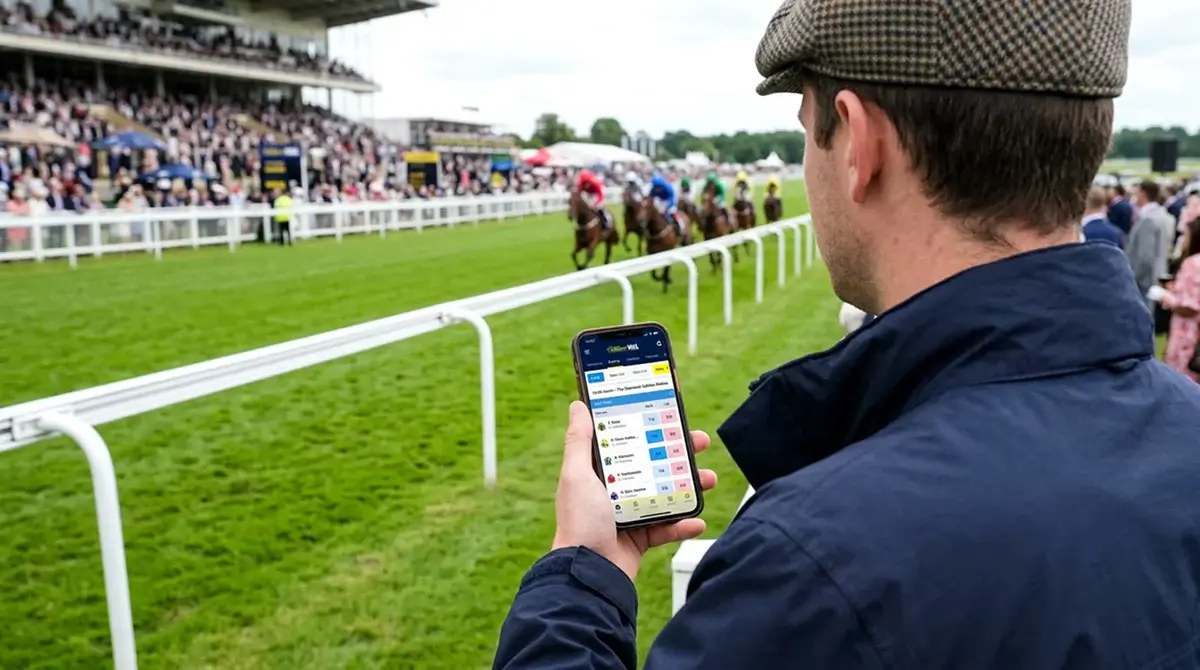
How to Deposit and Withdraw Crypto at Horse Racing Sites
 Available in US

I lost 47 USDT on my very first crypto betting deposit. Not on a bad horse, on a wrong network selection. Tapped “confirm” without checking whether the racebook wanted TRC-20 or ERC-20, and the funds vanished into an address the platform could not recover. That was three years and roughly two thousand transactions ago, and the lesson has stuck with me ever since: the deposit is the bet before the bet.
USDT alone processes around $2.3 billion in monthly betting deposits across the crypto gambling sector, per SoftSwiss data from 2025. A growing slice of that volume flows into horse racing markets, where punters are swapping bank transfers for blockchain transactions because the speed difference is impossible to ignore. But speed without process is just a faster way to lose money. This guide walks through every step, wallet choice, deposit mechanics, withdrawal timelines, so your funds arrive where they should, when they should.
Setting Up a Crypto Wallet for Horse Racing Betting
The wallet you use for horse racing deposits should never be the same wallet that holds your long-term crypto. I keep a dedicated hot wallet – funded only with what I plan to wager that week – and treat it like a betting float. If the racebook gets compromised, my main holdings stay untouched.
Two broad categories matter here. A custodial wallet sits inside an exchange like Coinbase or Binance, where the company controls the private keys on your behalf. You trade control for convenience: deposits are as simple as copy-paste an address. A non-custodial wallet, MetaMask, Trust Wallet, Exodus, puts you in charge of the keys entirely. That means nobody can freeze your funds, but nobody can recover them if you lose the seed phrase either.
For horse racing betting specifically, I recommend a non-custodial mobile wallet. Most racebook deposits happen on the go – you spot a price shift twenty minutes before a race at Newmarket, and you need funds on the platform now. A mobile wallet with biometric unlock gets you from zero balance to confirmed deposit faster than any exchange withdrawal flow. Keep a small USDT float on TRC-20, and you are ready for most platforms without touching the main chain.
Before you fund the wallet, check which networks your chosen racebook supports. The three you will encounter most often are ERC-20 on Ethereum, TRC-20 on Tron, and BEP-20 on BNB Chain. Some platforms accept all three; others accept only one. Loading your wallet with USDT on a network the racebook does not support means an extra swap step – and extra fees – before you can even place a bet.
Step-by-Step Crypto Deposit to a Racebook
Stablecoins now account for more than 70% of all crypto betting transactions in 2026, according to DemandSage figures. That tells you something about what experienced bettors prefer when moving money in and out of racebooks. The deposit itself follows the same six steps regardless of coin, but each step has a trap for the inattentive.
First, log in to your racebook account and navigate to the cashier or deposit page. Select the cryptocurrency you want to use. BTC, ETH, USDT, or whichever coin the platform supports. The site will generate a unique deposit address and display the network it expects. This is the moment that matters most. Read the network label. Then read it again.
Second, copy that address. Do not type it manually. A single wrong character sends your funds to an unrecoverable address. Most platforms offer a QR code alongside the text address, scan it directly from your wallet app to eliminate copy-paste errors on mobile.
Third, open your wallet and initiate a send transaction. Paste the address. Before confirming, verify two things: the first four and last four characters of the address match what the racebook displayed, and the network selected in your wallet matches the network the racebook specified. Sending USDT via ERC-20 to a TRC-20 address is the single most common deposit mistake I see discussed in betting forums, and recovery ranges from difficult to impossible.
Fourth, set the amount and review the network fee. TRC-20 transfers typically cost under $1. ERC-20 can spike above $5 during congestion. BTC fees fluctuate with mempool activity. I have seen them range from $0.50 on quiet Sunday mornings to $15 during a market rally. If the fee looks unusually high, wait an hour. Network congestion tends to clear in waves.
Fifth, confirm the transaction and wait for blockchain confirmations. TRC-20 deposits usually credit within two to five minutes. BTC requires one to three confirmations, which typically takes ten to forty minutes depending on the fee you paid. ERC-20 sits somewhere in between – five to fifteen minutes on average.
Sixth, check your racebook balance. Most platforms show a pending deposit notification as soon as the first confirmation hits the network. Once the required confirmations complete, the funds appear in your betting balance and you are ready to place a wager. If fifteen minutes pass with no pending notification for a TRC-20 transfer, check the transaction hash on a block explorer like Tronscan. A successful broadcast with no credit on the platform side is a customer support issue, not a lost-funds issue.
Withdrawing Winnings: Timelines and Fees by Coin
Winning a 14/1 shot at Cheltenham feels brilliant right up until you realise the withdrawal will take three days. That is the fiat experience. Crypto changes the equation, but the timeline depends heavily on which coin you choose and how the racebook handles its internal processing.
BTC withdrawals are the slowest of the major options. Most racebooks batch Bitcoin payouts every few hours rather than processing them instantly, which means your request might sit in a queue for one to six hours before it even hits the blockchain. Add another twenty to sixty minutes for confirmations, and you are looking at a realistic window of two to eight hours from request to spendable funds in your wallet. Minimum withdrawal thresholds for BTC tend to hover around 0.001 BTC, though some platforms set it higher.
USDT on TRC-20 is where the speed advantage becomes obvious. Many racebooks process stablecoin withdrawals within thirty minutes, and some manage it in under ten. The Tron network confirms transactions in seconds, so the bottleneck is almost always the platform’s internal review rather than blockchain speed. Minimum withdrawals for USDT typically start at 10-20 USDT.
ETH sits in the middle. Withdrawal processing mirrors BTC in terms of platform-side delays, but once the transaction hits Ethereum’s network, confirmation takes two to five minutes. Gas fees are the variable – a withdrawal during a quiet period might cost $1.50, while peak congestion can push that above $10. I have learned to time ETH withdrawals for early morning UK hours when the American markets are asleep and gas prices drop.
One detail that catches new users off guard: most racebooks require you to withdraw in the same cryptocurrency you deposited. If you deposited BTC and want to withdraw USDT, you will often need to convert internally first, and not all platforms offer that feature. Plan your exit route before you deposit, not after you have won. If you want to avoid costly mistakes during withdrawals, map out the full cycle in advance.
Every crypto bettor develops a personal deposit routine after enough repetitions. Mine takes about ninety seconds from opening the wallet app to seeing a pending credit on the racebook, TRC-20 USDT, same network every time, same verification habit, same mental checklist. The first transaction is the one that teaches you everything. Take it slowly, verify every detail, and treat the deposit screen with the same attention you give the race card. The money you save by getting the process right will fund a lot of future bets.
What happens if I send crypto on the wrong network to a betting site?
The funds typically become stuck in an address the platform cannot access on that network. Recovery depends on the racebook’s technical capability and willingness to assist. Some platforms with multi-chain support can retrieve misrouted deposits manually, but the process takes days or weeks and is not guaranteed. Prevention is the only reliable solution – always confirm the network label matches between your wallet and the racebook before hitting send.
How long does a Bitcoin withdrawal from a racebook typically take?
Expect two to eight hours in total. Most racebooks batch BTC withdrawals rather than processing them instantly, so your request may queue for one to six hours before broadcasting to the blockchain. After that, Bitcoin needs one to three network confirmations, adding another twenty to sixty minutes. USDT on TRC-20 is significantly faster if speed is a priority.
Find the best options for horse racing crypto betting.
Read our detailed review of Choosing a Crypto Exchange for Horse Racing Betting Deposits.
Written by the editors at Horse Racing Crypto Betting.